In critical medical situations, misinformation can lead to delays in urgent decision-making and potentially place patients at greater risk. Air medical transport combines emergency healthcare and aviation operations, yet many people still misunderstand how these services work, when they are needed, and the level of care they provide.
Understanding the realities behind these common myths helps healthcare providers, patients, and families make informed decisions during emergencies when every minute matters.
Myth: Air Ambulances Only Operate in Major Cities
Many people believe advanced medical flights only operate in major cities. In reality, life flights in the Philippines are specifically designed to reach patients in remote and underserved areas. Whether it involves an air ambulance in Palawan, an emergency transfer in Cebu, or a medical evacuation in Dumaguete, professional crews regularly fly to regional airports to transport patients to larger hospitals with advanced medical care.
Myth: Commercial Flights Can Handle Critical Patients
Some assume commercial airlines can provide the same level of support as a medical aircraft. Commercial flights cannot provide the specialized care critically ill patients need, including ventilators, cardiac monitoring, and intensive medical support.
Myth: Helicopters Are Only Used During Natural Disasters
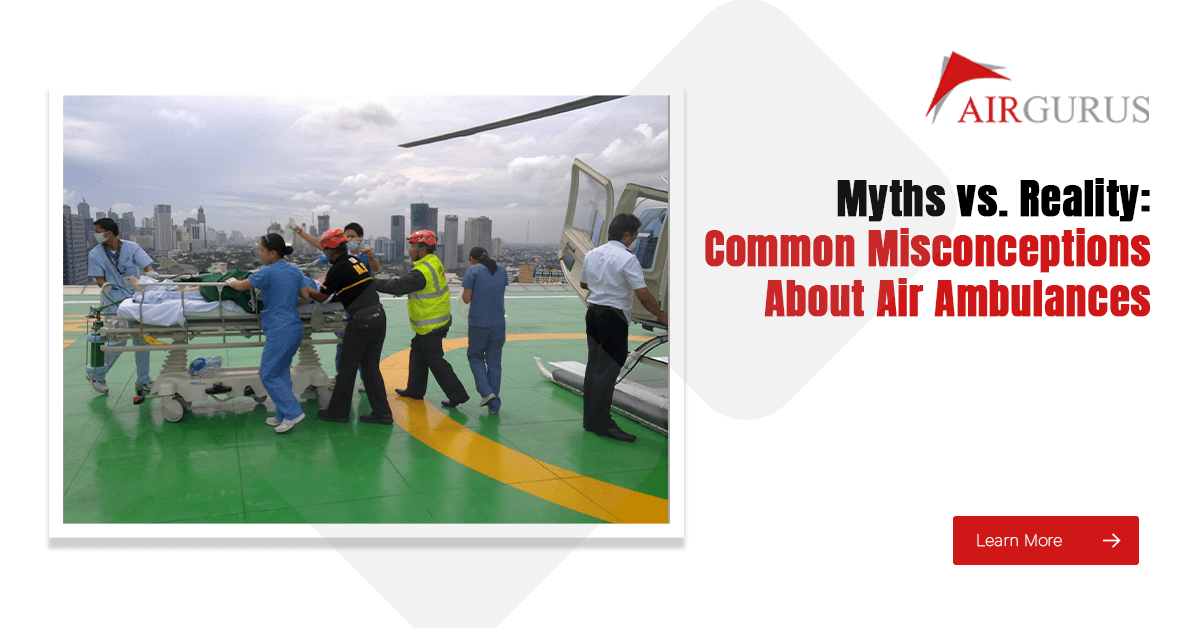
Rescue helicopters are also essential for reaching patients in isolated islands, mountainous regions, and areas without nearby airport runways. Medical helicopters land closer to patients in highways, open fields, and rural clinics, speeding up emergency evacuations.
Myth: Air Ambulances Are Only For Extreme Emergencies
A common misconception is that air ambulances are only used during major disasters or extreme emergencies. Medical flights also support inter-hospital transfers, patient repatriation, organ transport, and access to specialized treatment. Air medical transport plays an important role in both emergency response and planned critical care transfers.
Myth: Medical Flights Cannot Transport Patients Internationally
Professional international medevac services can safely transport patients to hospitals abroad for specialized treatment or surgery. Providers coordinate the entire process, including medical clearances, flight logistics, travel documentation, and continuous in-flight care. Whether the destination is Singapore, Japan, Korea, or China, patients can receive fully supervised bed-to-bed medical transport throughout the journey.
Final Thoughts
In emergency medical situations, having accurate information can make a significant difference in how quickly and safely a patient receives care. Understanding the realities of air medical transport helps families, healthcare providers, and decision-makers respond with greater confidence during critical moments.
By dispelling common misconceptions, patients can better recognize when air medical transport is necessary and how these services help save lives through fast, coordinated, and medically supervised care.
About Airgurus
Airgurus provides fast and reliable air medical service for emergencies, ensuring safe and efficient patient transport. Our CAAP and DOH compliant air ambulance team offers dependable air ambulance and medevac solutions, including ICU air ambulance care, rescue helicopters, and life flights for urgent situations. We manage both domestic and international medevac, coordinating with hospitals and healthcare professionals to ensure patients reach the right medical facilities across the Philippines and beyond. Whether it’s city-to-city transfers or reaching remote areas, Airgurus prioritizes safety, speed, and patient comfort. Call our air ambulance number +63 9178857911 today to learn more about how our air medical transport services can support your emergency needs.
When an emergency requires medical transport, understanding what qualifies as a professional air ambulance service is vital for patient safety. Air medical transport involves far more than rapid response times, it requires strict clinical standards, regulatory compliance, advanced medical capabilities, and a highly coordinated operational framework.
Regulatory Compliance and Patient Safety
In the aviation and healthcare sectors, compliance is the ultimate benchmark of safety. A reputable operator must utilize a CAAP and DOH compliant air ambulance. This ensures that the provider meets the rigorous aviation safety guidelines set by the Civil Aviation Authority of the Philippines (CAAP) while simultaneously fulfilling the stringent healthcare standards mandated by the Department of Health (DOH).
For families and medical institutions vetting an air ambulance provider, verifying these credentials guarantees that the aircraft, medical equipment, and flight crew are fully certified to handle high-risk patient transfers.
Dedicated Medical Aircraft Configurations
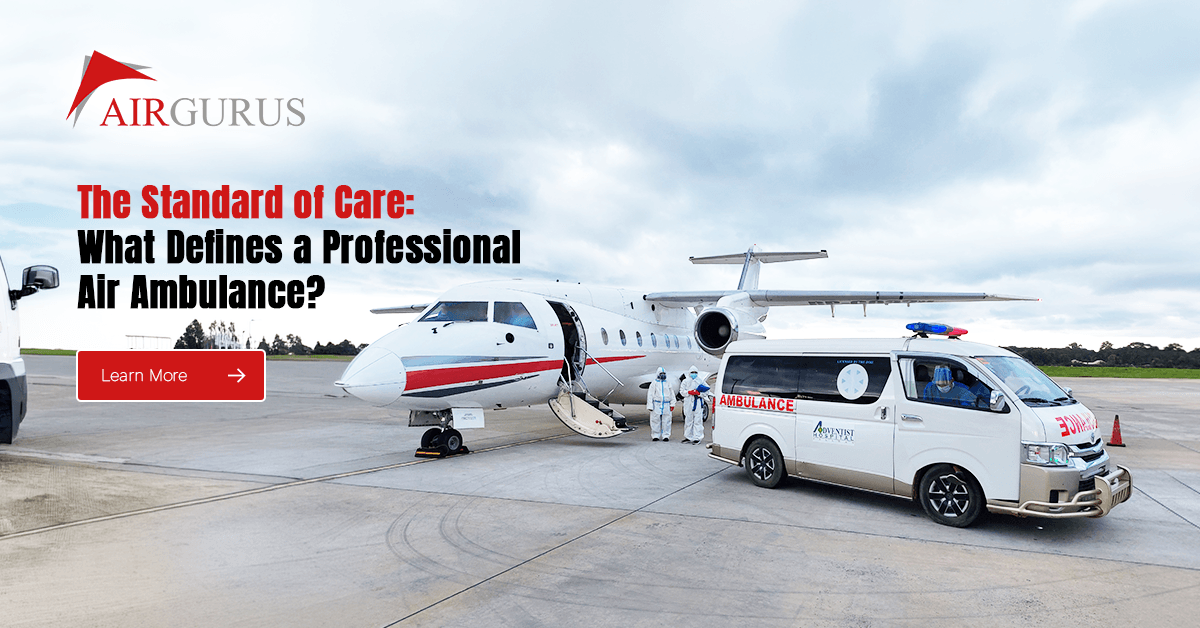
Professional air ambulance aircraft are specifically configured for medical transport and critical care support. Unlike temporary or makeshift medical setups, these aircraft feature dedicated medical interiors designed to accommodate advanced life-support equipment and continuous patient monitoring during flight.
Depending on the patient’s condition, onboard systems may include:
Transport ventilators
Cardiac and vital sign monitors
Infusion pump systems
Oxygen delivery equipment
Emergency medications and trauma supplies
These capabilities are especially important for ICU-level patient transfers and international medevac where uninterrupted care is essential.
Expert Medical Flight Teams
Advanced equipment alone is not enough to ensure safe patient transport. Professional air ambulance operations rely on highly trained medical flight teams capable of managing critical care emergencies throughout the journey. Depending on the patient’s condition, the onboard team may include flight physicians, critical care nurses, paramedics, and respiratory therapists experienced in emergency and in-flight medicine.
These specialists are trained to monitor patients continuously, operate advanced life-support equipment, administer emergency medications, and respond quickly to changes in the patient’s condition during transport. Their expertise is especially important during ICU-level transfers, rescue helicopter evacuations, and long-distance international medevac missions where uninterrupted medical care is essential.
24/7 Dispatch and Coordinated Logistics
Emergency medical transport requires seamless coordination between multiple teams and agencies. Professional air medical service providers operate 24/7 dispatch systems capable of managing every stage of the transfer process, including:
Airport and flight clearances
Ground ambulance coordination
Hospital endorsements and acceptance
Flight scheduling and routing
International medical transport documentation
This level of operational coordination is critical during both domestic medevac missions and international patient transfers.
Transparent Communication and Pricing
In emergency situations, clear communication is essential for patients and their families. Professional life flight providers maintain transparency throughout the transport process, particularly when discussing logistics, medical requirements, and air ambulance costs.
Because pricing can vary depending on the distance, aircraft type, level of medical care required, and operational complexity, reputable providers offer detailed and upfront cost breakdowns without hidden fees.
Why Standards Matter in Emergency Medical Transport
In emergency situations, the quality of an air medical service can directly impact patient outcomes. From regulatory compliance and advanced medical equipment to operational coordination and trained personnel, every component of the transport process must work together seamlessly.
As demand for life flights in the Philippines and international medical evacuation continues to grow, choosing a provider that prioritizes safety, professionalism, and medical excellence remains essential.
Conclusion
A professional air ambulance service is built on more than rapid response times. It requires strict safety standards, advanced medical equipment, expert flight medical teams, and reliable operational coordination. Just as important is transparent communication, especially when it comes to pricing, so families can focus on safe patient transport without added stress or concern over costs during critical situations.
From CAAP and DOH compliant operations to ICU-equipped aircraft and 24/7 medical logistics, every component plays a vital role in patient care. Trusted providers such as Airgurus help coordinate safe and medically supervised medevac services for domestic transfers, rescue helicopter evacuations, and international patient transport.
About Airgurus
Airgurus provides fast and reliable air medical service for emergencies, ensuring safe and efficient patient transport. Our CAAP and DOH compliant air ambulance team offers dependable air ambulance and medevac solutions, including ICU air ambulance care, rescue helicopters, and life flights for urgent situations. We manage both domestic and international medevac, coordinating with hospitals and healthcare professionals to ensure patients reach the right medical facilities across the Philippines and beyond. Whether it’s city-to-city transfers or reaching remote areas, Airgurus prioritizes safety, speed, and patient comfort. Call our air ambulance number +63 9178857911 today to learn more about how our air medical transport services can support your emergency needs.
The effectiveness of an emergency medical evacuation relies heavily on the technology on board. When critical patients require rapid transfer between medical facilities, a standard aircraft will not suffice. True medevacoperations function as fully operational intensive care units in the sky, bridging the geographical gap when time is the most critical factor.
Advanced Medical Infrastructure in the Sky
A professional air ambulance is configured to match the capabilities of a ground-based trauma center. These aircraft are customized with specialized power systems to support continuous life-support equipment without interruption.
Key technical components on board include:
Advanced Transport Ventilators: Tailored to manage patients with severe respiratory distress under changing cabin pressures.
Multi-Parameter Vital Monitors: Providing continuous real-time tracking of invasive blood pressure, cardiac rhythms, and oxygen saturation.
Specialized Point-of-Care Testing: Allowing flight medical crews to monitor blood gases and metabolic shifts dynamically during transit.
For critical transfers from remote islands or congested cities, air ambulance helicopters provide direct hospital-to-hospital transport.
The Human Expertise Behind Medevac Technology
While advanced equipment is essential in every medevac mission, patient safety still depends on the expertise of the medical flight team managing care throughout transport.
A professional air medical service typically includes flight physicians, critical care nurses, paramedics, and respiratory therapists who are specifically trained for in-flight emergency medicine. These specialists work alongside the aircraft crew to manage patient stability while navigating the unique challenges of air transport, including cabin pressure changes, turbulence, and long-distance international travel.
Conclusion
Modern medevac services function as more than just transport—they operate as fully equipped intensive care units in the sky, designed to deliver continuous, high-level medical support while bridging critical distances between patients and healthcare facilities. With advanced onboard systems, an air ambulance ensures that patients remain stable and closely monitored throughout the entire journey.
However, technology alone is not enough. Every flight relies on highly trained medical professionals who manage patient care and respond to changing conditions during transit. Together, advanced equipment and expert medical teams make air medical evacuation a reliable solution for time-critical cases.
When ground transport is too slow or unavailable, medevac services provide rapid access to life-saving medical care.
About Airgurus
Airgurus provides fast and reliable air medical service for emergencies, ensuring safe and efficient patient transport. Our CAAP and DOH compliant air ambulance team offers dependable air ambulance and medevac solutions, including ICU air ambulance care, rescue helicopters, and life flights for urgent situations. We manage both domestic and international medevac, coordinating with hospitals and healthcare professionals to ensure patients reach the right medical facilities across the Philippines and beyond. Whether it’s city-to-city transfers or reaching remote areas, Airgurus prioritizes safety, speed, and patient comfort. Call our air ambulance number +63 9178857911 today to learn more about how our air medical transport services can support your emergency needs.
Medical emergencies can happen anywhere—in remote provinces, busy cities, during travel, at sea, or even during natural disasters. In critical situations where immediate transportation to a medical facility is necessary, medevac services become essential.
What Is Medevac?
Medevac, or medical evacuation, is the process of transporting sick or injured patients to a healthcare facility while providing continuous medical care during the journey.
Unlike standard transportation services, a medevac operation involves trained medical professionals, specialized equipment, and aircraft configured for patient care. Depending on the patient’s condition and location, transport may involve:
Helicopter evacuation
Fixed-wing air ambulance flights
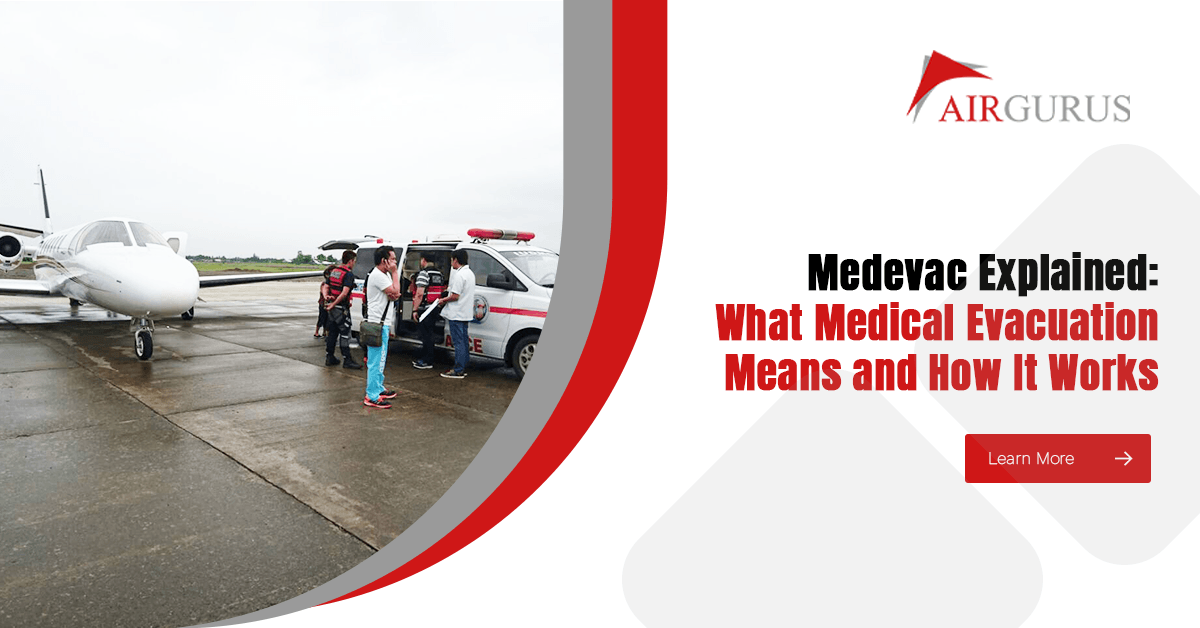
Ground ambulance coordination
International medical transfers
In many medical evacuations, an air ambulance is used because it allows patients to reach advanced medical facilities much faster than traditional transportation methods.
What Happens During a Medevac Flight?
During transport, the patient receives continuous medical supervision from trained healthcare professionals. Depending on the severity of the case, the onboard team may include:
Flight physicians
Critical care nurses
Paramedics
Respiratory therapists
In serious medical situations, providers may use an ICU air ambulance equipped with advanced life-support systems, ventilators, cardiac monitors, and emergency medications.
The goal is to stabilize the patient and ensure safe transport until they arrive at the receiving hospital.
Common Situations That Require Medevac Services
Medical evacuation services are used in many emergency and non-emergency situations, including:
Emergency Trauma Cases
Patients involved in serious accidents or injuries may require rapid transport to specialized trauma centers.
Remote Area Medical Emergencies
In island provinces and remote areas, patients often need air evacuation to reach advanced hospitals quickly. This is especially important in locations where healthcare facilities are limited.
Disaster Response Operations
The Philippines frequently experiences typhoons, earthquakes, floods, and volcanic eruptions. During these events, rescue helicopters help evacuate injured individuals and deliver emergency medical support to isolated communities.
Inter-Hospital Transfers
Some patients require transfer from one hospital to another for specialized treatment or intensive care.
International Medevac
Patients who need medical treatment abroad or repatriation to their home country may require international medevac services.
Conclusion
Medevac services provide lifesaving medical transportation for patients who require urgent or specialized care. Through the use of air ambulance aircraft, rescue helicopters, and highly trained medical teams, patients can safely reach hospitals even in challenging conditions.
In the Philippines, where geography, traffic congestion, and natural disasters can make emergency ground transport difficult, air medical services continue to play a critical role in healthcare and emergency response. From remote island evacuations and disaster response operations to inter-hospital transfers and international medevac missions, these services help connect patients to life-saving treatment quickly and efficiently.
When choosing a provider, it is important to work with a CAAP and DOH compliant air ambulance operator to ensure proper aviation safety standards, medical capabilities, and patient care protocols are met throughout the transport process. Trusted providers such as Airgurus help coordinate safe, medically supervised medevac services for both local and international patient transfers, ensuring patients receive professional care from departure to arrival.
About Airgurus
Airgurus provides fast and reliable air medical service for emergencies, ensuring safe and efficient patient transport. Our CAAP and DOH compliant air ambulance team offers dependable air ambulance and medevac solutions, including ICU air ambulance care, rescue helicopters, and life flights for urgent situations. We manage both domestic and international medevac, coordinating with hospitals and healthcare professionals to ensure patients reach the right medical facilities across the Philippines and beyond. Whether it’s city-to-city transfers or reaching remote areas, Airgurus prioritizes safety, speed, and patient comfort. Call our air ambulance number +63 9178857911 today to learn more about how our air medical transport services can support your emergency needs.
Medical emergencies can happen anywhere, especially while traveling or staying abroad. In critical situations where patients need urgent medical transport across countries, an international medevac service provides fast, safe, and medically supervised transfer through an air ambulance.
Whether for emergency evacuation, specialized treatment, or patient repatriation, international medevac services help transport patients to the appropriate medical facility while ensuring continuous care throughout the journey.
This guide explains how international air ambulance services work, when they are needed, and the key factors to consider before arranging an international medical evacuation.
What Is an International Medevac?
International medevac is the process of transporting a patient from one country to another using a medically equipped aircraft. These flights are designed for patients who require medical assistance, monitoring, or intensive care while traveling.
Unlike commercial aircraft designed for regular passenger travel, an air ambulance is equipped to deliver continuous medical care during transport, with trained healthcare professionals onboard to monitor and assist the patient throughout the flight.
International medevac services are commonly used for:
Emergency medical evacuations
Inter-hospital patient transfers
Repatriation flights
ICU-level patient transport
Trauma and accident cases
Specialized treatment abroad
When Is an Air Ambulance Needed?
An air ambulance is typically recommended when a patient cannot safely travel on a commercial flight or requires urgent medical transport.
Common situations include:
Severe injuries or trauma
Heart attacks or cardiac emergencies
Stroke or neurological conditions
Respiratory failure
Organ transplant transfers
High-risk neonatal or pediatric cases
Patients requiring continuous oxygen or ventilation support
For critically ill patients, an ICU air ambulance provides advanced life support and continuous monitoring throughout the journey.
How Does International Medevac Work?
Most international medevac service providers handle the entire transfer process from start to finish. This helps ensure safe and coordinated transport during emergencies.
The typical process includes:
1. Medical Assessment
The provider reviews the patient’s condition, medical records, and transport requirements to determine the safest transfer method.
2. Flight and Transport Coordination
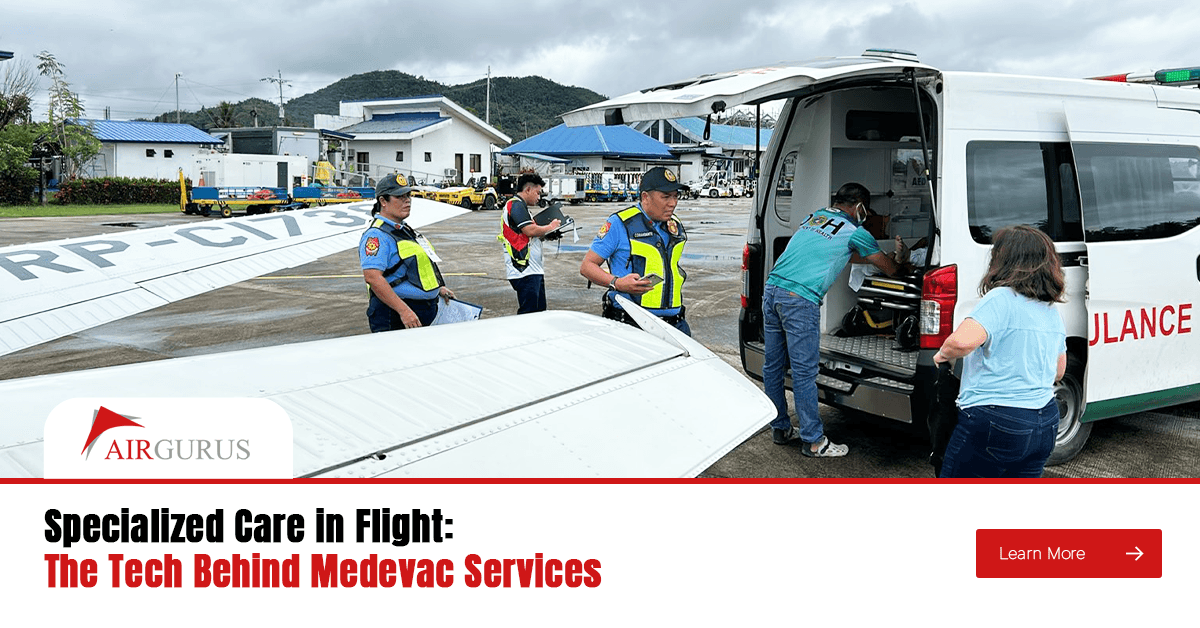
The team arranges aircraft scheduling, airport clearances, and ground ambulance services.
3. In-Flight Medical Care
During the flight, the patient is monitored by medical professionals using ICU-grade equipment such as ventilators, cardiac monitors, oxygen systems, and infusion pumps.
4. Hospital Coordination
The provider coordinates directly with the receiving hospital to ensure the patient is safely transferred upon arrival.
This end-to-end setup allows patients to receive uninterrupted medical care throughout the journey.
Air Ambulance Services in Asia
International medevac services are commonly used for patient transfers across major healthcare destinations in Asia. Whether for emergency evacuation, inter-hospital transfer, repatriation, or specialized treatment, life flights providers deliver safe and medically supervised patient transport tailored to the patient’s condition and destination requirements.
Commonly requested services include transfers to Singapore, China, Japan, and Korea. These international transfers require close coordination between hospitals, medical teams, aviation authorities, and ground ambulance providers to ensure continuous patient care and safe transport throughout the journey.
How Much Does an Air Ambulance Cost?
Air medical service cost depends on several factors, including:
Flight distance and destination
Aircraft type
Medical equipment required
Patient condition
Medical team onboard
International permits and logistics
Domestic transfers are generally less expensive than international medevac flights. ICU-configured aircraft may also involve higher operational costs because of specialized equipment and staffing requirements.
Most providers conduct a medical assessment before providing a quotation.
How to Choose a Reliable Air Ambulance Service Provider
Choosing the right air medical service provider for your international medevac needs is important for patient safety, medical efficiency, and smooth transport coordination during emergencies.
Before booking a service, consider the following:
Experienced medical flight personnel
ICU-capable aircraft availability
24/7 emergency response coordination
International transfer experience
Bed-to-bed patient transport capability
CAAP and DOH compliant air ambulance operations
A trusted provider should also maintain clear communication with the patient’s family, attending physicians, and receiving hospitals throughout the transfer process.
For patients and families looking for dependable international medevac support, Airgurus offers professionally coordinated life flights and medevac services for both domestic and international patient transport. With experienced medical teams, ICU-equipped aircraft access, and comprehensive transfer coordination, Airgurus helps ensure patients receive safe and medically supervised transport when urgent care is needed most.
Final Thoughts
International medevac services provide life-saving support for patients who need urgent medical transport across cities or countries. Whether arranging an ICU air ambulance within the Philippines or coordinating an international transfer across Asia, proper planning and a reliable medical team are essential for safe patient transport.
Understanding how air medical services work can help patients and families make informed decisions during medical emergencies when timely care matters most.
About Airgurus
Airgurus provides fast and reliable air medical service for emergencies, ensuring safe and efficient patient transport. Our CAAP and DOH compliant air ambulance team offers dependable air ambulance and medevac solutions, including ICU air ambulance care, rescue helicopters, and life flights for urgent situations. We manage both domestic and international medevac, coordinating with hospitals and healthcare professionals to ensure patients reach the right medical facilities across the Philippines and beyond. Whether it’s city-to-city transfers or reaching remote areas, Airgurus prioritizes safety, speed, and patient comfort. Call our air ambulance number +63 9178857911 today to learn more about how our air medical transport services can support your emergency needs.