For sure, you have heard about Cloud Seeding. Some may be doubtful about it but some consider this as a solution. Imagine this:
You’re outside wondering why the scorching sun is still as hot as the midday. Even though you’re not expecting summer until the next couple of months, it seems that the cool breeze is not coming. You look at the vast fields and saw your crops starting to wither and turning to brown which also reminds you that little amount of water has occurred these last few weeks. It is hard to believe but the drought has begun, are your crops safe from it? Your solution is cloud seeding.
A Lurking Disaster
Every year, numerous droughts strike to almost every part of the world. It is considered as a lurking disaster because of its gradual effects to different industries. It is caused by many reasons such as locations that are upstream from rivers not receiving enough moisture, and wind patterns through the atmosphere that can cause places to not receive its regular amount of rain over a long period of time. We, too play a role in causing droughts whenever we cut down our trees and consume too much water. These factors are what make a drought unpredictable and harmful, especially when unprepared.
Hindering Agricultural Growth
As stated in the previous paragraph, damaging effects are imminent to different industries when a drought occurs. However, the agricultural industry will be the one who will suffer the most. The period of a drought that can last for months or years can prevent the successful growth of crops. This can result in a lack of resources and eventually to famine.
Alternatives and Solutions
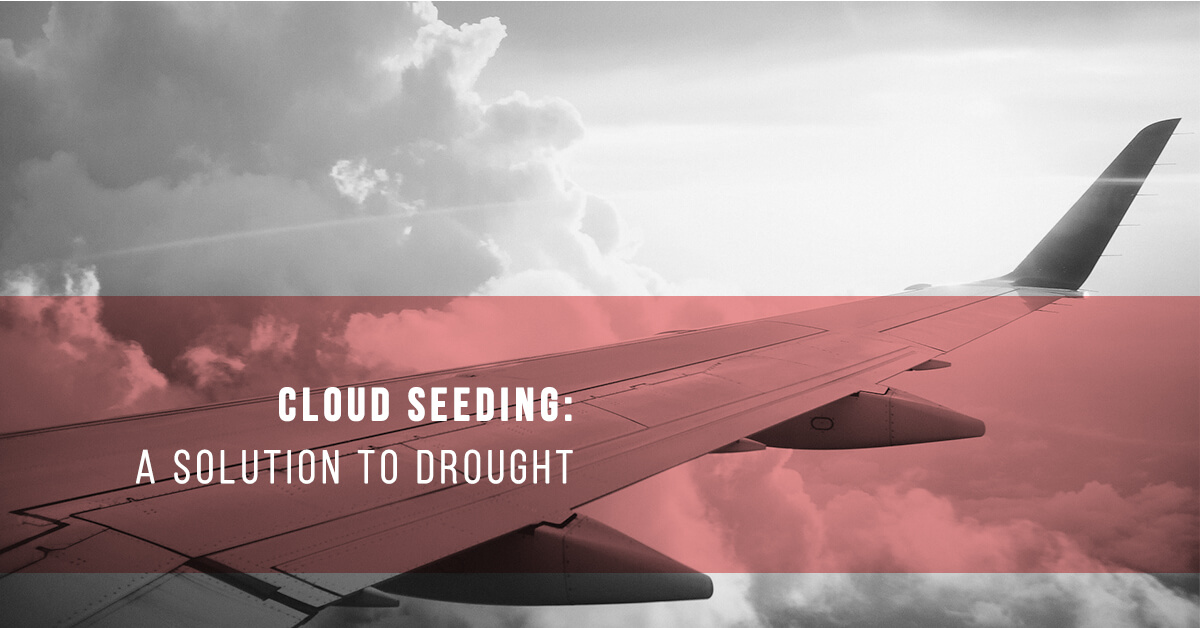
There are many methods that can avoid this agricultural drought. One of which is the process of cloud seeding which is a scientific technique of inducing rain by dropping chemicals or small objects into clouds. This can help agricultural sectors with their irrigation systems in times of a drought to avoid losses of crops and essential plants.
This cloud seeding solution can be best conducted by none other than Airgurus Ltd. Co. We can provide you the rotor or fixed-wing aircraft for your cloud seeding needs. We offer spraying services like fogging, application of agriculture insecticides/pesticides, fertilization of fields and farms, and planting. Moreover, all methods are applied by our highly trained pilots. So, don’t worry about your cloud seeding needs because here in Airgurus, we got you all covered!
Sling load operations require the best aircraft carrier. Airgurus Ltd. Co. offers the best aircraft to carry heavy loads across places.
This guide will help you understand the process of Sling Load Operations. Moreover, this will tell you more on how it can solve your heavy-lifting needs.
How
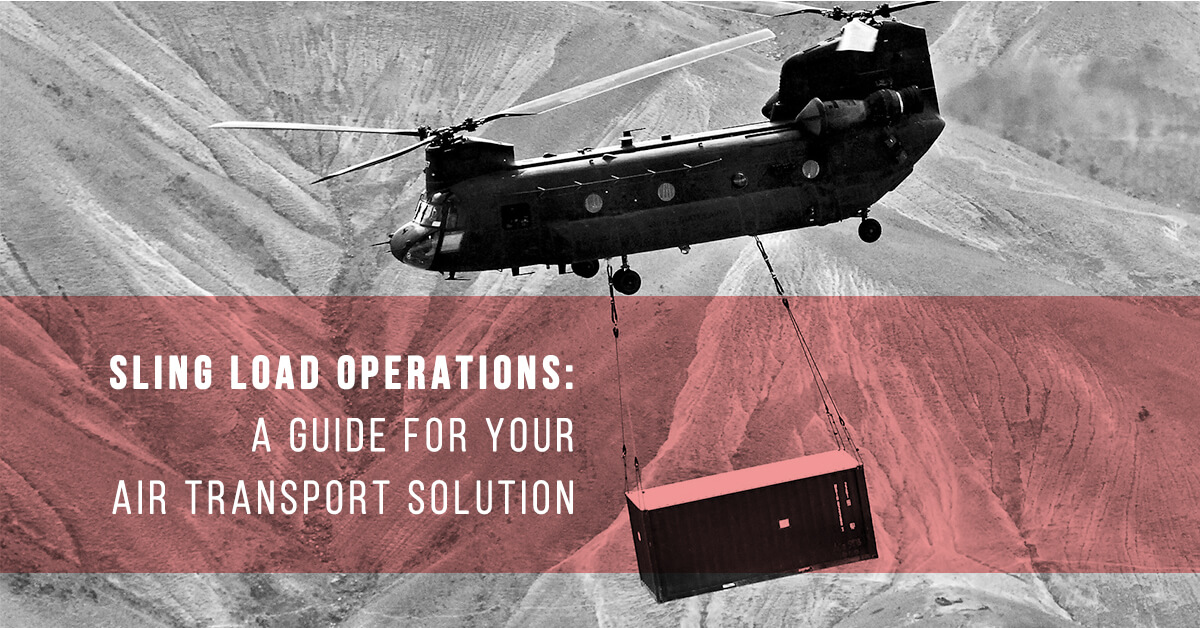
Sling load operations are best operated by a helicopter. It is equipped with cargo hooks to carry the materials that need to be transported. The operation also consists of a ground crew to ensure the load is safely. In addition, it makes it a point that the load was accurately placed in the designated area.
Where
Helicopters are considered as the best and fastest way to deliver materials to its destination. It is very efficient because it can transport the load to remote areas that are rough in terrain and have high altitudes. A sling load operation can be the only way for a safe and dependable transport solution.
When
Sling load helicopters are capable of handling the heavy-lifting at any time. This is through its ability to drift through the skyline. You can expect that the operation will immediately be handled regardless of its location and time.
Who
It is truly evident how sling load operation can be convenient for every off the ground problems. That’s why Airgurus Ltd. Co. is your best choice! It is the trusted leading helicopter charter company in the Philippines.
When you choose air transport as a means for your sling load transfer, Airgurus understands that for you. You can expect that Airgurus will handle your heavy lifting needs such as rooftop placements, general construction and concrete placements, remote access materials, and anything else of the ground. Airgurus is more than capable of doing the job.
No doubt, aerial filming can provide various benefits for every industry such as films and events. In addition, it also applies to traffic reporting. Their outputs will not be as breathtaking as they seem without the help of it.
On the other hand, the news industry is also one of the many industries that use the beauty of aerial filming. With a responsibility of delivering accurate news and information, television news reporting has been one of the most trusted sources of information through accurate traffic reporting regarding traffic congestion, traffic accidents and street protests and demonstrations.
Here’s why:
Live Updates and Real-time Traffic Reporting
Traffic reporting has never been so accurate without the help of aerial filming. Live updates and real-time reports regarding road conditions have helped drivers to avoid the roads that are congested. It also helps the commuters in choosing the type of public transportation they will ride in order to avoid the inconvenience that traffic brings.
Wide Reach
The wide coverage of aerial filming also provides quick traffic reports from news production companies. Its hands-on process can quickly address the events that are happening on the ground. News producers and reporters can easily locate and shift their cameras towards an area that has a traffic or other news story. It also gives news reporters the control to adjust their camera angles and zoom-ins for better delivery of the news.
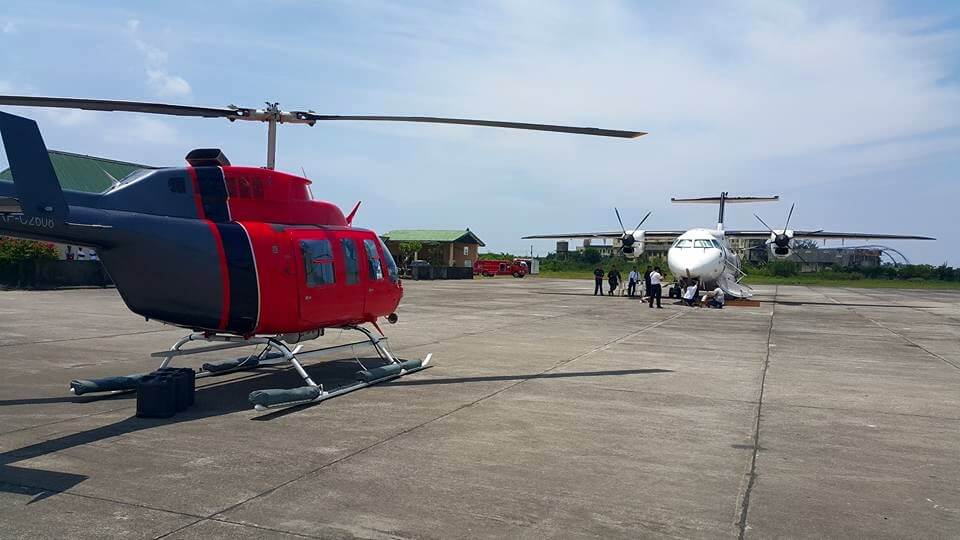
Having all these benefits for an effective traffic reporting is possible with Airgurus Ltd. Co. aircraft. Currently, we are the trusted leader in the aviation industry of the Philippines. Our new state of the art Bell 206L-3 can move from one of the city to another in minutes providing wide coverage and quick traffic news report happening on the ground.
Here, in Airgurus, our mission is to provide you with the best helicopter that will help you deliver an excellent and precise traffic news to your audience. You can contact us or visit our website for more information.
Traveling with certain medical conditions requires to use non-emergency air ambulance services. As a result, this service is designed for patients travelling with mobility factors and oxygen requirements.
Airgurus Ltd. Co.‘s non-emergency air ambulance services provides many benefits to many. Most noteworthy, it is beneficial to all patients’ cases. Especially, when patients have to endure long drives, sea travel or flying commercially. Hence, it is the best solution for many patients and Airgurus provides transportation assistance with these options:
1. Fixed-Wing Air Ambulance Service
Along with a medical flight crew, this service offers twin engines, turbo props and lear jets. While it all depends on flight time and budget, the patient is safe and all the aircraft used are medically-equipped to handle any medical condition.
2. International Commercial Medical Stretcher
This service is designed for patients with mobility issues. Another, patients who are unable to sit for more than one or two hours greatly benefited from this. Since, a professional flight nurse or physician can travel with the patient to manage the patient’s condition.
3. Commercial Medical Assistance Service
This particular type of service is for patients who cannot travel by themselves and maneuver themselves through airports. Furthermore, this would require a professional flight nurse who will travel with the patient. Finally, this service takes care of the patient’s worries and stress.
If you have any questions concerning requirements of a non-emergency air ambulance services, contact Airgurus directly. Call +632 6248274 | +632 2749758 | +63 925 8892985 and +63 917 8857911.
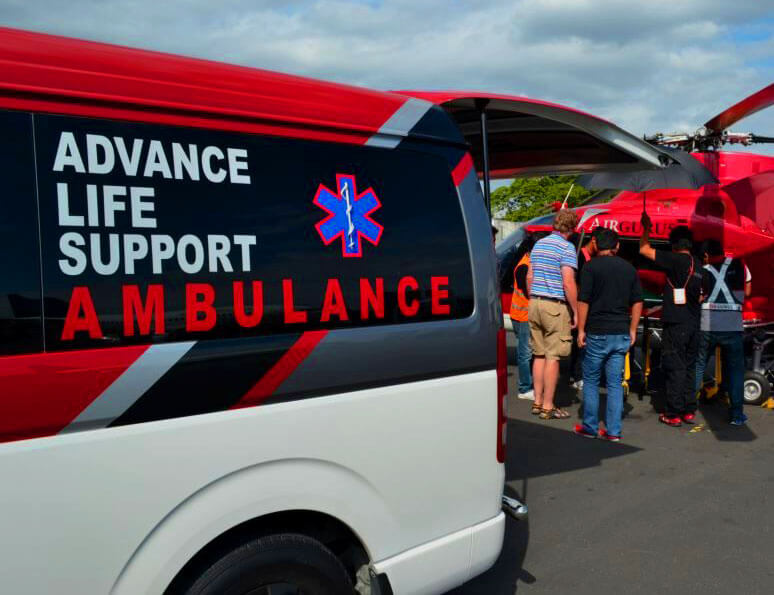
Airgurus is the provider of the most professional air ambulance service in the Philippines. To support its’ air ambulance services, Airgurus has ground ambulances in waiting. These are to serve those who are in urgent need of a medical transport within the Philippines.
Equipped with advance life support systems, this dedicated ground ambulance transport services of the company provides patients with better medical care. Also, this comes in transport from air ambulance to hospitals / apt medical facilities without a helipad or from hospitals to airports.
Anywhere in the Philippines, we have affiliate ground ambulances to take the patients to our air ambulance aircraft. We have these in Manila, Cebu, Davao, Iloilo, Bacolod, Legaspi, Baguio, Palawan and many more. Furthermore, Airgurus also provides ground ambulance arrangements together with the air ambulance transport. Do make certain sure of what services are included in your quote hence; a quote from Airgurus Air Ambulance includes ground transportation and air ambulance transportation. Finally, you may also ask for a separate quotation.
When the need arises for an air ambulance provider, call Airgurus. Our emergency hotlines are on a standby 24/7. Call up +632 6248274 | +632 2749758 | +63 925 8892985 and +63 917 8857911 or email at info@airgurus.ph.